
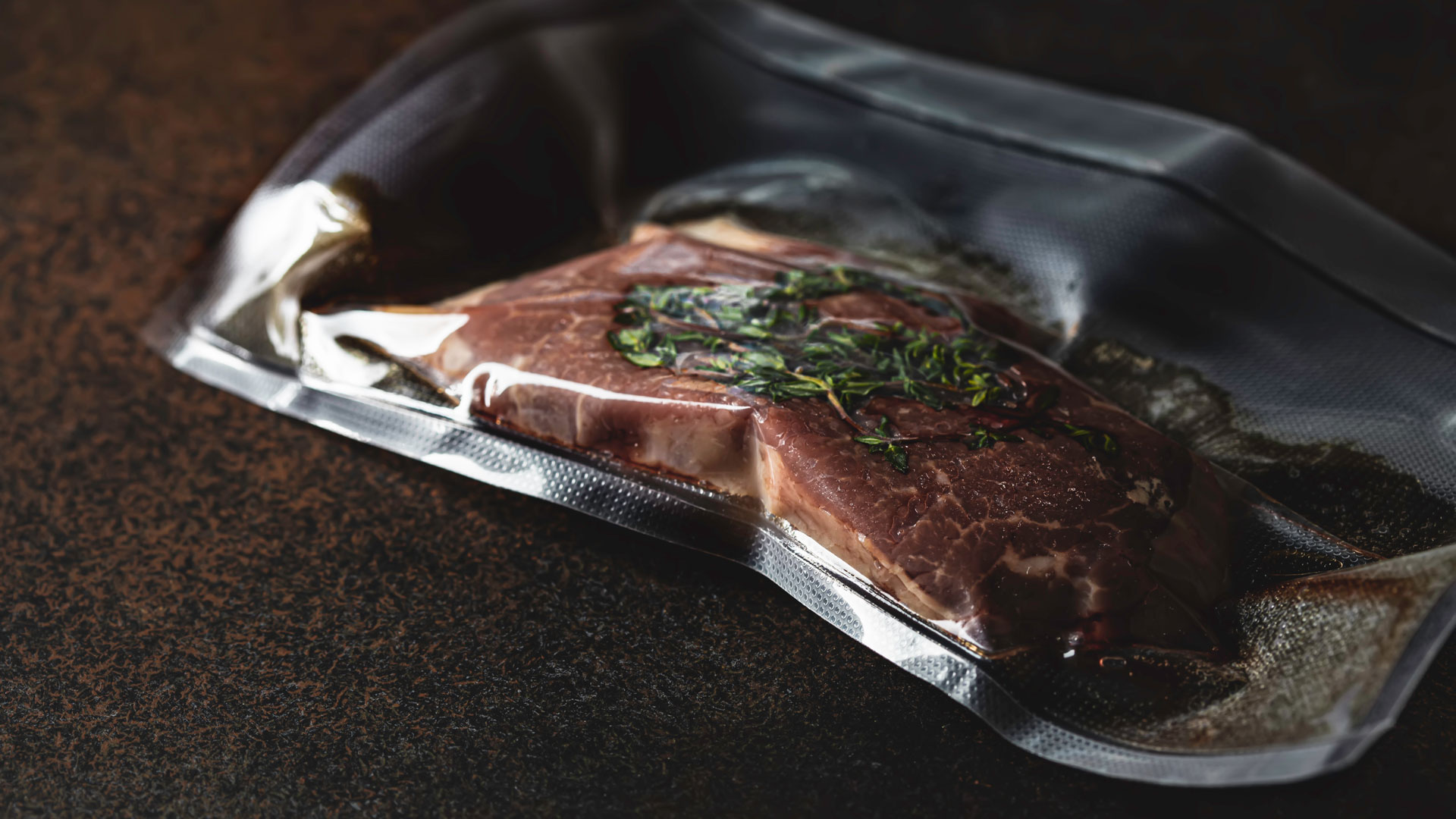

Sous Vide
Restaurant operators are pragmatic people. When a new technique or piece of equipment comes up for consideration, the questions are predictable: Does it actually work under real service conditions? What does it cost to implement? Will it create new problems while solving old ones? Sous vide has earned a permanent place in serious commercial kitchens precisely because it holds up well to that kind of scrutiny. The advantages are not theoretical – they show up in food cost reports, in ticket times, in guest return rates, and in the reduced stress level of kitchen teams working through a packed Saturday service.
Here is a clear-eyed look at what precision cooking actually delivers across seven dimensions that matter to operators – and honest answers to the questions most commonly asked before making the investment.
1. A Consistent Product Regardless of Who Is on the Line
Every restaurant that relies on individual cook skill to produce consistent results is, whether it acknowledges this or not, taking a nightly gamble. Skilled line cooks are valuable precisely because they are difficult to find and retain – and when they call out sick or leave for another job, the quality gap shows up on the plate. Precision cooking removes much of that dependency by standardizing the most critical variable in cooking: temperature.
When proteins are cooked to a precise internal temperature in a calibrated water bath, the result is the same regardless of which team member does the finishing work. A medium steak prepared by a cook on their second week delivers the same interior doneness as one finished by the executive chef. That standardization is not just a quality story – it is a risk management story that operators often undervalue until they have lived through a bad night without their best cook.
2. A Kitchen That Runs Calmer During Peak Hours
The conventional dinner rush is a full-production event. Proteins going onto grills, fish hitting pans, timers counting down simultaneously across multiple stations – it is a high-stakes coordination challenge that produces errors even in well-run kitchens. Precision cooking restructures that dynamic by separating production from service.
When proteins are fully cooked during prep hours, the line during service becomes a finishing operation. A quick sear for color and crust, a sauce pulled from mise en place, a thoughtful plate arrangement – these tasks are less cognitively demanding than managing a full cook from raw, and they take a fraction of the time. Ticket speeds improve. Errors decrease. The kitchen team operates at a lower stress threshold, which itself reduces mistakes and improves output quality across the board.
3. Real, Measurable Reductions in Food Waste
Food waste in a restaurant kitchen comes from multiple sources: spoilage, overproduction, cooking errors, and yield loss from moisture evaporation. Precision cooking addresses all four in meaningful ways. Vacuum-sealed proteins have a significantly extended refrigerated shelf life compared to unwrapped product, reducing spoilage from improper storage. Because food can sit safely in a calibrated bath without degrading past its optimal point, overproduction does not carry the same immediate waste risk it does with conventional cooking.
Cooking errors – the overcooked steak that cannot be sent to the table – drop sharply when temperature is controlled precisely. And moisture retention, one of the more significant yield factors in protein cookery, improves substantially in a sealed environment. A chicken breast or pork loin that retains its natural juices throughout cooking yields a larger, more flavorful portion from the same raw weight. Over months of service, those yield improvements translate directly to lower purchasing costs per plate served.
4. A Dining Experience That Earns Return Visits
Guest loyalty is built on predictability as much as excellence. A diner who orders a duck breast and receives something extraordinary will return – but only if they expect to receive the same thing next time. Restaurants that produce brilliant food inconsistently frustrate guests who came back specifically for that earlier experience. Precision cooking makes the excellent repeatable.
There is also a health-conscious dimension that resonates with an increasingly large segment of today’s dining public. Proteins cooked in a sealed environment require less added fat than those finished in butter-basted pans or over high-oil heat. The natural flavors and moisture of the ingredient carry the dish rather than added richness. For operators marketing to health-aware guests or managing dietary accommodations, that is a genuine menu advantage rather than a talking point.
5. Menu Range That Would Otherwise Require More Specialized Staff
Expanding a menu to include delicate proteins, complex braises, or precision-dependent preparations typically requires either highly skilled staff or significant trial and error. Precision cooking lowers both barriers. A kitchen that could not confidently serve a perfectly cooked halibut or a silky egg dish due to skill constraints can add those items when the method handles the most technically demanding part of the process.
The sealed environment also creates new flavor development opportunities. Aromatics, herbs, citrus, and spices sealed alongside proteins infuse directly into the ingredient throughout the cook, producing depth that a quick marinade or pan sauce cannot replicate. Chefs experimenting with these infusion possibilities often discover that precision cooking does not just replicate what conventional techniques do – it opens routes to flavor profiles that were not previously achievable.
6. Lower Operating Costs Across Multiple Line Items
The cost case for precision cooking is multi-layered. Immersion circulators operate at low temperatures with high efficiency, drawing considerably less energy than commercial ovens or broilers running at full heat. Shifting meaningful production volume to circulators during prep hours reduces the runtime demanded from the most power-hungry equipment in the kitchen.
Equipment maintenance costs also factor in. High-heat appliances under continuous heavy use require more frequent servicing and have shorter useful lives. Distributing production load more broadly – including to circulators that run at stable low temperatures with minimal mechanical stress – extends the lifespan of expensive equipment and reduces the frequency of repair calls. For operators building a three-to-five-year financial model, those downstream savings are worth including in the analysis.
7. Pre-Prepared Options That Deliver the Same Results Without Full In-House Production
Not every operation is positioned to build out a full in-house precision cooking program immediately. Space, equipment budget, and staff training capacity are real constraints. For those kitchens, sourcing sous vide products from a specialized supplier provides most of the same operational and quality benefits without the upfront infrastructure investment.
Pre-cooked proteins arrive portioned, pasteurized, and ready to finish. The kitchen’s job becomes one of thoughtful execution – a proper sear, a well-constructed plate, attentive service – rather than full production management. For lean teams or high-volume operations where kitchen real estate is at a premium, this model captures the guest experience advantages of precision cooking without requiring a complete workflow overhaul.
Common Questions Before Making the Investment
Operators evaluating the method consistently raise the same practical questions. How does advance cooking affect food safety during holding and reheating? The answer lies in HACCP-compliant cook-chill protocols, which are well established for precision cooking and straightforward to implement with proper training. Food cooked to pasteurization temperature, rapidly chilled, and held at safe refrigeration temperatures can be stored and finished without compromise to safety or quality.
What does the initial investment actually look like? Entry-level immersion circulators suitable for smaller operations are available at modest price points, while commercial-grade units built for continuous high-volume use represent a more significant but well-justified capital expense. The return on that investment through food cost savings, labor efficiency, and waste reduction typically becomes evident within a reasonable operating period – and the quality improvement it delivers to the guest experience begins on the first night of service.
The restaurants gaining ground in today’s competitive dining environment are not waiting for the perfect moment to modernize their kitchens. They are making the process changes now that will separate their guest experience from the competition’s over the next several years. Precision cooking is one of the most proven paths to that separation.

Comments are closed.